

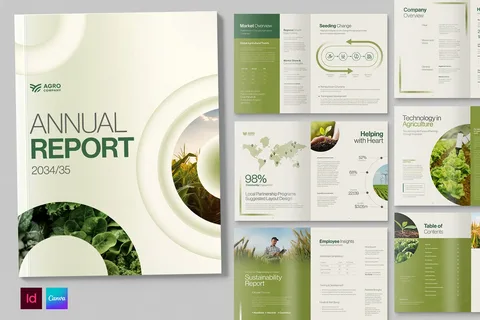
Annual report design plays a crucial role in how businesses communicate their yearly performance, achievements, and future direction. It is no longer just a financial document; it has become a powerful branding and storytelling tool. Companies today use annual report design to present data in a visually engaging and easy-to-understand format while reinforcing their identity and values. A well-designed report helps stakeholders quickly grasp key insights while building trust and transparency.
Importance of Strategic Report Structure
A strong annual report design begins with a clear and logical structure. Readers should be able to navigate sections effortlessly, from financial summaries to leadership messages and sustainability efforts. A well-organized layout ensures that information is not only accessible but also meaningful. Businesses must prioritize hierarchy, ensuring that the most important insights stand out through size, placement, and formatting.
Consistency is equally important. Fonts, colors, and spacing should remain uniform throughout the document. This consistency strengthens brand recognition and creates a professional appearance that reflects credibility.
Storytelling Through Data
Modern annual report design focuses heavily on storytelling. Instead of presenting raw numbers, businesses now turn data into narratives that explain growth, challenges, and achievements. Storytelling helps humanize corporate performance, making it relatable to investors, employees, and customers.
Graphs, infographics, and visual timelines are commonly used to simplify complex data. These elements allow readers to understand trends quickly without getting overwhelmed by technical details. A strong narrative structure also helps guide readers through the company’s journey over the year.
Visual Communication and Design Elements
Visual elements are at the heart of effective annual report design. Color psychology, typography, and imagery all contribute to how the message is perceived. Clean layouts with balanced white space improve readability and reduce cognitive overload.
High-quality images of teams, projects, and operations help create an emotional connection with readers. Infographics and icons further enhance understanding by breaking down complex information into digestible visuals. The goal is to make the report both informative and visually appealing.
Digital Transformation in Reporting
With the rise of digital platforms, annual report design has evolved beyond print. Many companies now produce interactive online reports that include animations, clickable sections, and embedded videos. This digital transformation allows users to engage with content in a more dynamic way.
Interactive reports also improve accessibility, enabling stakeholders to explore specific sections based on their interests. This flexibility enhances user experience and increases engagement with corporate content.
Branding and Consistency
A successful annual report design must reflect a company’s brand identity. Every element, from cover design to internal layouts, should align with brand guidelines. This includes consistent use of logos, tone of voice, and visual style.
Strong branding ensures that the report is instantly recognizable and reinforces trust among stakeholders. It also helps differentiate the company from competitors by showcasing its unique personality and values.
Sustainability and ESG Reporting
Today’s businesses are increasingly focusing on sustainability, and annual report design often includes dedicated ESG (Environmental, Social, and Governance) sections. These sections highlight a company’s commitment to ethical practices and social responsibility.
Design plays a key role in presenting ESG data clearly. Visual indicators such as progress bars, charts, and icons make sustainability efforts easier to understand and more impactful. This transparency strengthens stakeholder confidence and demonstrates accountability.
Typography and Readability
Typography is a critical component of annual report design. Choosing the right fonts and maintaining proper spacing ensures that the document remains readable and professional. Headings should be distinct, while body text should be clean and easy on the eyes.
Proper alignment and spacing also contribute to a smooth reading experience. A clutter-free design allows readers to focus on content without distraction.
Conclusion
Effective annual report design combines clarity, creativity, and strong branding to deliver meaningful communication. It transforms financial data into a compelling story that engages stakeholders and builds trust. Businesses that invest in high-quality design gain a competitive advantage by presenting their achievements in a professional and visually appealing way. At Pepperit, we specialize in crafting impactful annual report design solutions that help brands communicate their story with clarity, confidence, and creativity.